
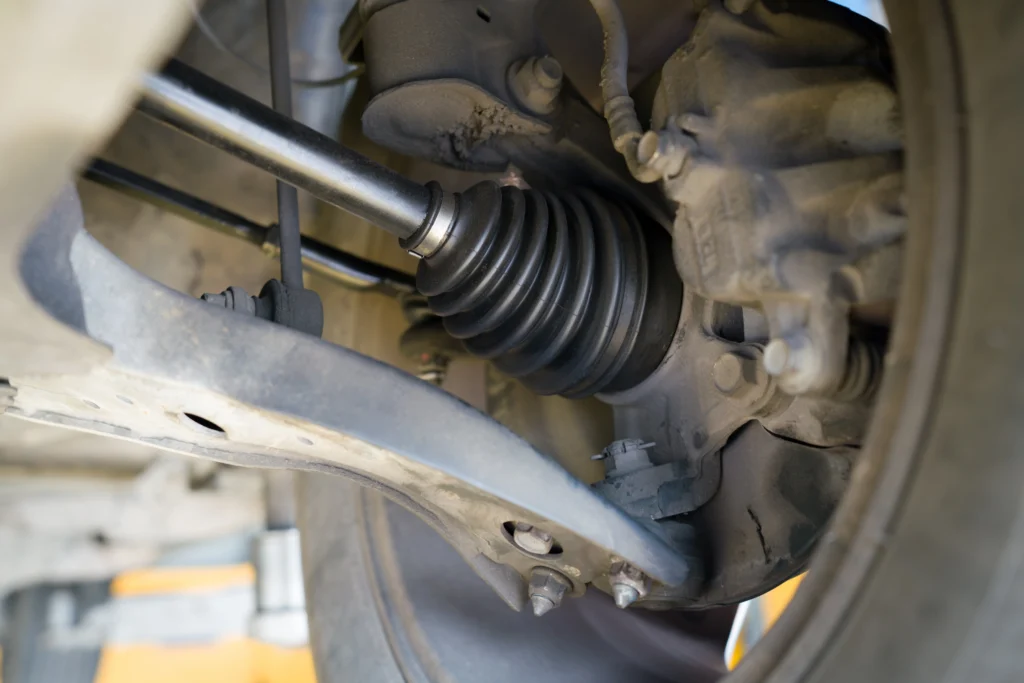
When it comes to the smooth operation of your car, there are many moving parts working together behind the scenes. One of the most crucial components in your vehicle’s drivetrain is the CV joint (constant velocity joint). Though small, CV joints play a big role in ensuring you can drive safely and comfortably. Unfortunately, because they’re hidden out of sight, many drivers don’t think about them—until problems arise.
In this article, we’ll unpack why CV joints matter, how they work, and what warning signs you should never ignore.
What Exactly Do CV Joints Do?
CV joints are found on vehicles with front-wheel drive (and many with all-wheel or independent rear suspension). Their main job is to:
Transfer power smoothly from the transmission to the wheels.
Accommodate flexibility, allowing your wheels to turn left and right while still receiving power.
Handle up-and-down motion as your suspension works over bumps and uneven surfaces.
In simple terms, without properly functioning CV joints, your wheels wouldn’t be able to turn and move with power at the same time.
Why CV Joints Are So Important
Safety: Damaged CV joints can eventually fail completely, leading to loss of steering or power to the wheels—dangerous at any speed.
Performance: Worn joints affect smooth acceleration and handling.
Longevity: Keeping your CV joints in good condition reduces strain on other drivetrain components.
Since CV joints are constantly working while you drive, wear is inevitable over time. This makes early detection essential.
Common Signs of CV Joint Trouble
Spotting issues early can save you from costly repairs and dangerous breakdowns. Keep an eye (and ear) out for these warning signs:
Clicking or popping noises while turning
A classic symptom of worn outer CV joints. If you hear clicking when making sharp turns, it’s time for an inspection.
Grease splattered on the inside of your wheels
CV joints are protected by rubber boots filled with grease. If a boot tears, grease escapes and dirt enters, accelerating wear.
Excessive vibrations while driving
Damaged CV joints can cause noticeable vibrations, especially during acceleration.
Clunking noises during acceleration or deceleration
A sign of advanced wear that needs immediate attention.
Loss of steering responsiveness
In severe cases, a failing CV joint can compromise control.
How to Protect Your CV Joints
Regular inspections: Have your CV boots checked during routine services. Catching a torn boot early is cheaper than replacing an entire joint.
Listen to your car: Don’t ignore new noises—especially clicking or clunking.
Fix issues quickly: Driving on a damaged CV joint puts you at risk and can cause more expensive repairs down the line.
Final Thoughts
Your car’s CV joints may be small, but they are vital for safe, reliable driving. By learning to recognize the early warning signs of wear and taking quick action, you can prevent major breakdowns and keep your vehicle running smoothly.
If you suspect a problem with your CV joints, don’t wait until it’s too late—have your vehicle inspected by us today. A little attention today could save you a lot of stress (and money) tomorrow.
📍 Located in Nigel – Serving All Surrounding Areas
Conveniently based in Nigel, we serve drivers from Heidelberg, Springs, Brakpan, and the greater Gauteng area. Looking for “gearbox repair near me”? Look no further than Alfies Gearbox & Diff Centre.
📞 Don’t Wait – Book Your Gearbox Inspection Today!
If your car is showing any of the warning signs above, don’t delay. Visit www.alfiesgearbox.co.za or call us today +27 81 008 5701 to book your gearbox inspection.
🔧 Alfies Gearbox & Diff Centre – Nigel’s trusted name in gearbox repairs, diff repairs, clutch replacements, prop shaft services, CV joints, aluminium welding, and gearbox exchanges.